
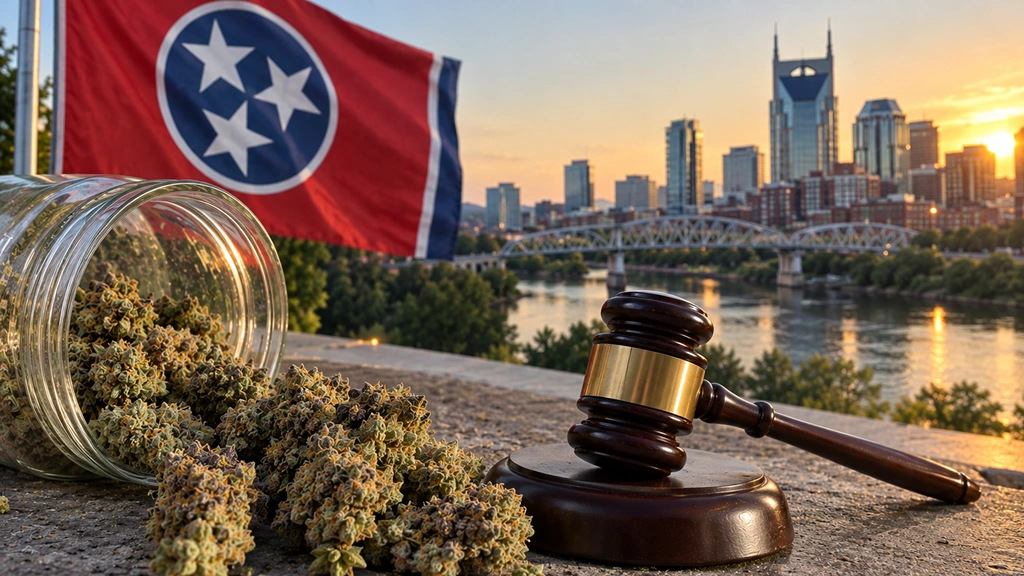
If you own a dispensary, you’re likely curious about the legality of THCA in Tennessee. The question of THCA legality in Tennessee has been on the rise because many dispensary owners, distributors, and retailers are considering adding hemp-derived products to their inventory.
-
Bulk Flowers
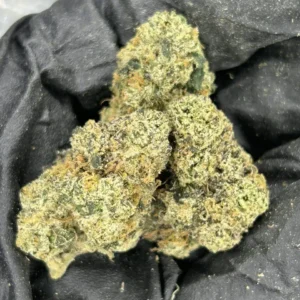
Illemonati THCa Flower
Price range: $300.00 through $9,000.00 Select options This product has multiple variants. The options may be chosen on the product page -
Bulk Flowers
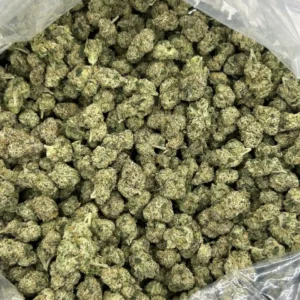
Tangie Candy THCa Flower
Price range: $275.00 through $8,500.00 Select options This product has multiple variants. The options may be chosen on the product page -
Bulk Flowers
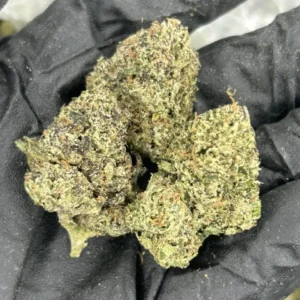
Schmega LCG THCa Flower
Price range: $300.00 through $9,250.00 Select options This product has multiple variants. The options may be chosen on the product page -
Bulk Flowers
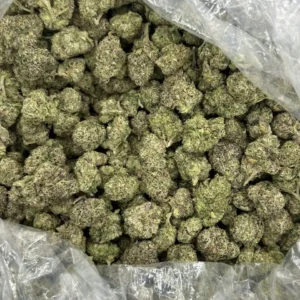
Blue Runtz THCA Flower
Price range: $400.00 through $12,000.00 Select options This product has multiple variants. The options may be chosen on the product page -
Bulk Flowers
Blueberry Belts THCa Flower
Price range: $400.00 through $12,500.00 Select options This product has multiple variants. The options may be chosen on the product page -
Bulk Flowers
MOB 342 THCa Flower
Price range: $375.00 through $11,500.00 Select options This product has multiple variants. The options may be chosen on the product page
Hemp regulations differ across states. In Tennessee, there’s more to THCA regulations than just finding the right product to offer your customers. Here’s everything you need to know about THCA, the regulation status in Tennessee, and what to look for when ordering wholesale.
What Is THCA, and Why Does It Matter Legally?
THCA (tetrahydrocannabinolic acid) is an inactive ingredient that occurs naturally in raw cannabis and hemp. This component turns into THC, the active ingredient that causes a high, only after being heated. THCA does not get one high in its inactive state; however, once it has been smoked or vaporized, it works just like THC.
If you’re new to how THCA and THC relate to one another, our FAQ breaks down the basics in plain terms.
Why THCA Sits at the Center of Legal Debates
This is the core of most legal discussions concerning hemp cannabinoids at the state level:
- THCA is not categorized the same way as THC according to many legal descriptions
- Products labeled as “hemp-compliant” may have a high content of THCA, which would translate into levels above the legal limit when heated
- Regulators from some states, such as Tennessee, have begun developing regulations that take into consideration this change, not just the unheated form of the cannabinoid
The difference impacts wholesalers in terms of what products they can sell.
Federal Hemp Law: The 2018 Farm Bill and the “THCA Loophole”
The legal status of hemp and hemp products at the federal level was confirmed through the 2018 Farm Bill, which made these products legal if they do not contain more than 0.3% of delta-9 THC. Since this legal limit is established prior to the decarboxylation process, there are THCA flower products that may actually meet the legal requirement for “hemp” but turn into products exceeding the limit after being subjected to heat.
We saw a similar version of this loophole play out in Texas – state-level enforcement is what actually decides what you can sell, not just the federal baseline.
The THCA Loophole and Why It Cannot Override State Law
This discrepancy between the amount of THC in its natural form and THC in its converted form is known as the “THCA loophole,” and this is the primary reason why there are so many THCA products circulating around the United States, despite marijuana being federally illegal. However, while federal law defines the bottom line, states have the right to establish more rigorous requirements.
Tennessee THCA Laws: Where Things Currently Stand
So, is THCA legal in Tennessee right now? Tennessee regulates hemp-derived cannabinoid products through its Department of Agriculture, and – like many states – has been actively tightening rules around:
- Age verification for buyers
- Product testing requirements
- Labeling standards
- Total THC limits, which typically account for THCA’s conversion potential rather than just raw delta-9 THC content
Tennessee isn’t moving in isolation – we’ve tracked comparable shifts elsewhere, and the pattern of states tightening total-THC definitions is becoming the norm rather than the exception.
Why You Should Verify Before Ordering
Given that these regulations are constantly changing, it would be wise to check your current requirements regarding THC limits, retailer licensing, and any limitations related to THCA flower directly on the regulations of the Tennessee Department of Agriculture regarding their current hemp program, or with your lawyer, before making or filling any orders from Tennessee. The regulation of hemp laws in the United States has changed significantly in the recent past, and Tennessee is not an exception to that rule.
States can move fast – California is a good example of how quickly a compliant market can shift.
How THCA Legality Compares Across Other States
THCA regulation is not a problem that Tennessee faces in isolation; there are huge discrepancies between different states, which makes it important for all multi-state wholesalers to be aware of them. Overall, we can distinguish three types of states when it comes to this question:
- States like Florida, North Carolina, and South Carolina continue to regulate THC based on the delta-9 standard set by the federal 2018 Farm Bill without additional restrictions; thus, THCA products remain legally available in general retail stores.
- States including Nevada, Oregon, and Colorado allow for THCA, but limit sales to dispensaries only.
- States that started regulating THCA by banning it or making its sale significantly harder, such as Arkansas and Idaho.
At the moment, Tennessee’s position regarding THCA is evolving against the backdrop of an overhaul of the entire hemp regulations in the country, and November 2026, when federal regulations will change THC’s definition across the nation, will become an important turning point here.
If you sell into Texas as well, our retailer’s guide walks through a comparable state-specific compliance approach you can adapt for Tennessee.
Tennessee vs. Other States: A Quick Comparison
To put Tennessee’s situation in perspective, here’s a quick look at how a few other states currently handle THCA. The differences highlight just how much sourcing and shipping decisions depend on location.
| State | General THCA Status | Notes |
| Tennessee | Restricted / under active regulatory overhaul | Rules have been tightening; some reports indicate smokable THCA flower is being restricted or phased out. Verify current status directly with the TN Dept. of Agriculture. |
| Florida | Generally permissive | Largely follows the federal 0.3% delta-9 threshold with fewer added restrictions. |
| Nevada | Legal, dispensary-only | Sold through licensed dispensaries rather than general retail. |
| Arkansas | Banned | Among the states with an outright ban on THCA. |
It is merely a general snapshot that is meant to be compared against other hemp laws. Hemp laws in most states are rapidly changing between 2025 and 2026. Currently, several states, like Tennessee, have some changes in their hemp laws in progress. It is important to verify the exact information from each state’s agriculture or cannabis regulatory agency.
What Wholesale Buyers Should Confirm Before Ordering
Regardless of the exact current statute, any responsible wholesale THCA order into Tennessee should involve confirming a few key points with your supplier and, where needed, legal counsel.
Compliance Checklist Before You Order
- Total THC conformity – Is the total THC content of your product, taking into consideration THCA conversion, below the current threshold of Tennessee?
- Licenses – Does your company need any state licenses in order to sell hemp-derived cannabinoid products in retail?
- Testing & labeling requirements – Tennessee is trending towards mandatory third-party testing and disclosure on labels for hemp products
- Minimum age requirement – Hemp-derived THC products are now being made available for consumers who are 21 years of age and above
- Transportation restrictions – Some states limit the transportation of hemp-derived cannabinoid products between state lines
If pricing and supplier terms are part of your due diligence, too, our wholesale rates guide covers what to look for beyond price alone.
Why This Matters for Your Supply Chain
Vertical integration and lab testing aren’t just relevant to quality – they have an immediate impact on your own compliance risk as a retailer or distributor.
What a Compliant Supplier Will Deliver
- A current Certificate of Analysis (COA) with each order, verifying potency, purity, and full THC content
- Clarity around their markets of license and capability to ship into those markets, rather than forcing you to do all the research yourself
- Forewarning about changing state regulations, rather than keeping you informed after you need to know
A supplier who is paying attention to such matters will minimize your risk of any compliance issues interfering with your business, as well as make expansion to new markets such as Tennessee easier. You can read more about how we’re built to operate this way on our About Us.
Risks of Non-Compliance for Retailers and Distributors
Selling or distributing non-compliant THCA products in Tennessee carries real business risk, not just a technical violation.
Potential Consequences to Watch For
- Product seizure and forced recalls
- Fines or loss of any required retail registration
- Referral to state enforcement for more serious violations
- Liability exposure for distributors whose non-compliant product reaches downstream retail partners
Apart from official sanctions, noncompliance may harm business relations. Retailers receiving suspicious or incorrectly tested products might have a negative opinion about their supplier, and such reputation losses last longer than any penalty. That is why it is vital to check the supplier’s actual certificates, licensing, and compliance with Tennessee laws prior to placing the order, not after. This applies just as much to disposables and other product formats – see how we handle it on our disposables page.
The November 2026 Federal Deadline: What It Means for Buyers
This major federal move will be coming into play in November 2026, when the passage of a new law will redefine the legality of hemp products on a delta-9 basis to a total THC calculation that takes into account the conversion rate of THCA.
Potential Implications of This Move in Reality
- Hemp products that are currently deemed legal by the “THCA loophole” will no longer fall under the category of legal hemp federally
- Any flower that tests for low delta-9 THC but will convert to high amounts of THC after heating will be directly impacted
- The rule change is not bound by any individual state laws, further complicating the ever-changing legal landscape for Tennessee
This is one policy rule change that wholesale buyers should not treat like an event in the far future, but rather something that they have to actively plan for now; reach out today.
About Passion Farms: How We Stay Compliant
Passion Farms is a multi-state cannabis company with a vertical structure and is licensed to distribute THCA throughout Houston, Texas, as well as cultivate in California and Oklahoma. Being an owner of all the stages of development allows us to remain up to date with any changes in the regulations in our various markets, rather than depend on any external party.
How We Approach Compliance
- Compliance is not an afterthought for us, but ingrained in how we source, test, and ship all orders.
- Certified batches – lab-tested to verify potency, purity, and compliance, with up-to-date COAs for our wholesale partners
- Licensed facilities – we are a licensed, multi-state cannabis operator with compliant expansion plans in line with evolving cannabis legislation across all states
- Age-restricted distribution – our products are designed to be sold only to individuals above 21 years, with age verification included in the ordering process
- State-specific shipping awareness – we know which states we ship into compliantly, and avoid shipping THCA products in states where it is prohibited
- Communication on legislative changes – as legislation changes, like in Tennessee, we work towards notifying our wholesale partners of that, instead of having them find out after receiving their orders
This approach is exactly why partners come to us for markets going through active regulatory change, like Tennessee – we’d rather walk you through what’s currently compliant than let you guess. Browse our current lab-tested inventory in the shop.
Sourcing THCA in Tennessee? Let’s Get It Right Together
THCA regulations in Tennessee may change each legislative year, which is precisely why you want to partner with a wholesaler that is well-versed in such changes and able to tell you first-hand about the compliant requirements. Your sourcing choices should not be based on the information found in last year’s blog post or on what worked in another state – you need to give Tennessee’s regulations their own due diligence first.
If you are looking to source THCA wholesale in Tennessee, contact us. Our team at Passion Farms will help you learn more about the available products, supply up-to-date COAs, and explain how to place a compliant order.
FAQs
1. Is THCA legal in Tennessee?
It is now restricted in nature as the state is taking measures to reduce or restrict THCA allowance in the form of smokable flower. The regulations of the state take into consideration the THC formed after decarboxylation rather than the actual THCA content. You should check on TDA’s requirements.
2. What should Tennessee wholesale buyers know first?
Ensure THC compliance, licensing, and testing criteria prior to placing an order. THCA is converted into THC when heated. The Tennessee guidelines usually consider the converted potential THC content rather than just the unconverted raw content found in the flower.
3. How are Tennessee THCA laws different from federal hemp law?
Tennessee has more stringent guidelines than the federal standard. The federal government has set an upper limit of 0.3% for the concentration of delta-9 THC in terms of dry weight according to the 2018 Farm Bill, but Tennessee has gone a step further from the federal standards.
4. Does Tennessee require lab testing for THCA products?
Yes, Tennessee is heading towards mandating third-party testing of the cannabinoid products derived from hemp, just like most states have done. It is imperative that you ask for a COA from your supplier and verify the testing mandates from the Tennessee Department of Agriculture.
5. Is there an age restriction on THCA products in Tennessee?
Yes, Hemp-based THC and THCA products are now becoming more commonly available only to those who are 21 years or older in various states, such as Tennessee. It is important for retailers to verify their customers’ ages and incorporate this process at the point of sale.
6. Can distributors ship THCA products into Tennessee from another state?
This will be determined by the two states involved because the regulations for the shipping of hemp-based cannabinoids across different states differ and may influence the shipment to Tennessee. The distributors need to ensure that both parties have the same regulations regarding shipping.
7. What licensing do retailers need to sell THCA in Tennessee?
The licensing process is not static and may vary; therefore, there is no set answer to the question. Verify with the Tennessee Department of Agriculture if there is a need for any particular license or registration for your business to sell THCA products.
8. Why do THCA laws vary so much between states?
Since the federal government only lays out a minimum requirement but not a single standard, each individual state will have a different regulation regarding hemp-derived cannabinoids. As a result, there are some differences concerning the regulations for testing, labeling, and total THC limits that consumers cannot generalize.
9. How can wholesale buyers stay updated on Tennessee THCA laws?
Work with a supplier who is proactive about monitoring the changes in state regulations and informing you about them. It is also useful to check the updates of the Hemp Program of the Tennessee Department of Agriculture and legal advice periodically.

