
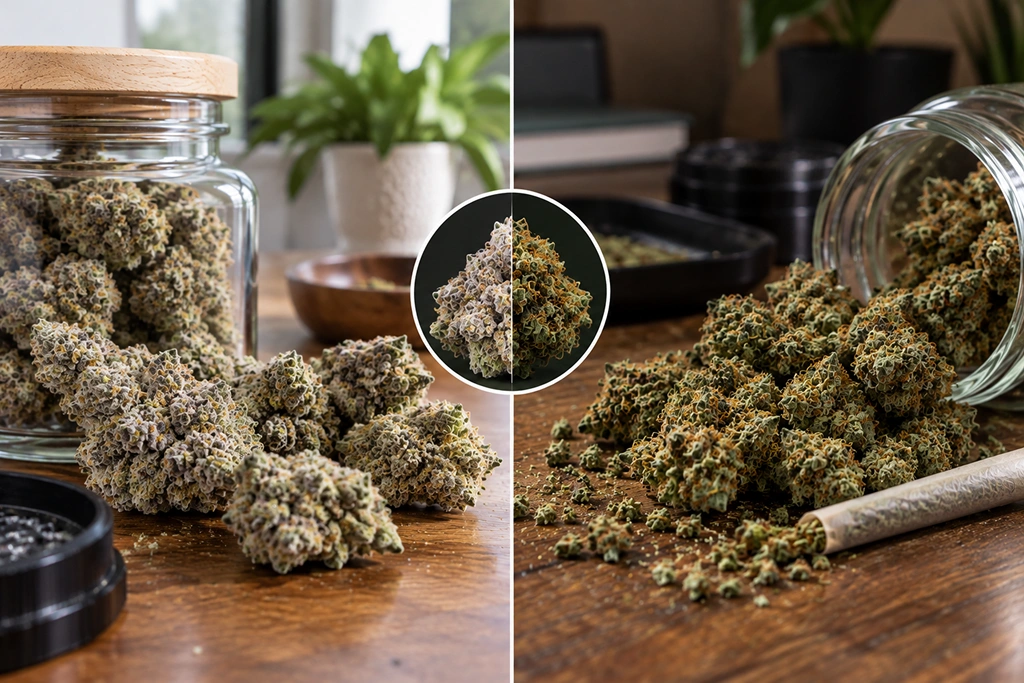
Is THCA real weed, or a way around the law that your clients will be asking questions about at the register? When it comes to sourcing and selling THCA flower, there’s a lot more information you need beyond what’s found on the average brand blog.
-
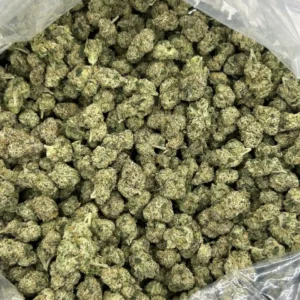
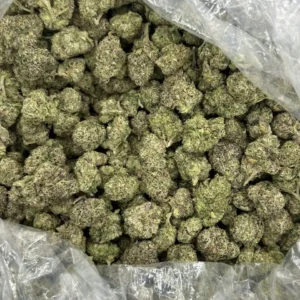
Bulk Flowers
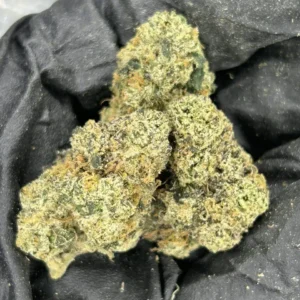
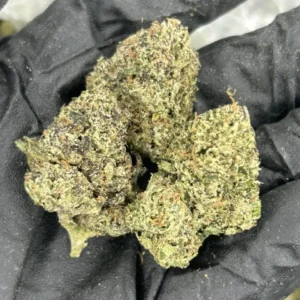
Illemonati THCa Flower
Price range: $300.00 through $9,000.00 Select options This product has multiple variants. The options may be chosen on the product page -
Bulk Flowers
Tangie Candy THCa Flower
Price range: $275.00 through $8,500.00 Select options This product has multiple variants. The options may be chosen on the product page -
Bulk Flowers
Schmega LCG THCa Flower
Price range: $300.00 through $9,250.00 Select options This product has multiple variants. The options may be chosen on the product page -
Bulk Flowers
Blue Runtz THCA Flower
Price range: $400.00 through $12,000.00 Select options This product has multiple variants. The options may be chosen on the product page -
Bulk Flowers
Blueberry Belts THCa Flower
Price range: $400.00 through $12,500.00 Select options This product has multiple variants. The options may be chosen on the product page -
Bulk Flowers
MOB 342 THCa Flower
Price range: $375.00 through $11,500.00 Select options This product has multiple variants. The options may be chosen on the product page
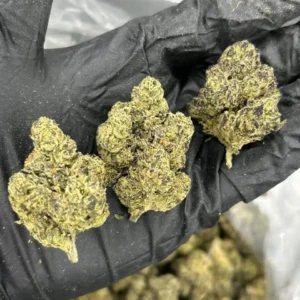
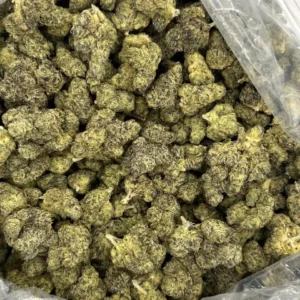
From a chemical standpoint, THCA and dispensary marijuana both originate from the same source plant. The difference is a single molecule, a single heat source, and a route to compliance that dictates your customer base and delivery radius.
What Is THCA?
THCA is the natural, non-intoxicating cannabinoid that all cannabis plants create before smoking or vaping it. THCA is in the trichomes of the harvested flowers in their raw form, and in this state, THCA cannot get anyone intoxicated. Decarboxylation occurs when THC is formed through the removal of the tiny carboxyl group from THCA, which occurs due to heat. The non-intoxication aspect of THCA is the legal basis of the compliance framework of hemp laws at the moment, and this is what your clients will require an explanation for.
Why Does It Matter for Buyers?
To a buyer or a retailer, this becomes more than just textbook chemistry because it is why THCA flower can go through the supply chain as hemp rather than under state cannabis licensing rules. Genes, terpene content, and flower structure can all be exactly the same as those of a licensed grower. Chemistry only changes when you put in a lighter, a vaporizer coil, or a heat source in an oven. Our FAQ page covers this explanation in the buyer’s terms.
Is THCA the Same as Weed? The Chemistry Behind the Confusion
In its raw state, no – but once it’s been warmed up, the difference becomes minimal, and that’s exactly the point that your sales team and product descriptions have to make. THCA doesn’t have any psychoactive effect when ingested in a raw state or in an unheated jar. By “weed” in the meaning that your customers are using the word for, you imply cannabis that gives a high, and that requires the activation of THC, not THCA.
Almost none of your end users are purchasing THCA flower to consume it raw. Whether smoked, vaped, or dabbed, it will be exposed to enough heat to transform it to THC, at which time the flower behaves the same way as cannabis from a licensed dispensary. This applies to the situation where you stock strains based on genetics and terpenes rather than whether the product is hemp or marijuana – look no further than our THCA flower strains list.
THCA vs Regular Marijuana: Where the Differences Actually Show Up
The differentiation between THCA vs regular weed from the buyer’s point of view lies in only one number – Delta-9 THC levels when the test was done before the product gets burned, rather than afterward. The genetics, growing, and curing process may be equal in both cases, but the path to compliance is different.
| Attribute | THCA Flower (Hemp) | Regular Marijuana (Dispensary) |
| Plant species | Cannabis sativa L. | Cannabis sativa L. |
| Legal category | Hemp, federal law | Marijuana, state-regulated |
| Testing threshold | Under 0.3% Delta-9 THC pre-heat | Delta-9 THC exceeds 0.3% |
| Psychoactive raw | No | No (raw flower is also THCA-dominant) |
| Effects once heated | Comparable to dispensary cannabis | Comparable to THCA flower |
| Mandatory testing | Varies by brand, not legally required | Required by state regulators |
| Interstate shipping | Often permitted, state-dependent | Not permitted across state lines |
| Sold through | Hemp retailers, online, wholesale | Licensed dispensaries only |
The rows at the top are exactly the same because they are; this isn’t marketing, it’s science. The rows that matter for your business are oversight, shipping range, and channel access. If your business model is based on sending products across state lines, you can begin by looking at our bulk flower or moonrocks categories.
Is THCA Real Weed, or Just a Legal Workaround?
Chemically, yes – it’s unheated flower from the exact same cannabis plants that make up all the varieties of cannabis that exist in dispensaries across America, and that’s the answer you should be prepared to offer someone who questions the legitimacy of “hemp.” The “workaround” nomenclature stems from how the 2018 Farm Bill defined hemp, only testing for Delta-9 THC rather than for the total cannabinoid profile. And that’s where the loophole exists for high-THCA flower to be categorized as hemp, despite its potency being equal once combusted.
Portraying THCA flower as fake or synthetic misleads consumers about the truth of the product and your margin opportunity. No ingredients are added; nothing is done to the plant aside from what will happen anyway if that flower is combusted by any user. What’s important to remember is that THCA flower is in a different category than marijuana. The best THCA flower strains we carry prove the point.
Does THCA Get You High Like Regular Weed?
Yes, once it’s heated, and those effects will be identical, functionally speaking – that’s the one fact that you can assert with complete assurance when addressing a retail consumer, as long as the batch in question is tested clean. Heating, smoking, vaporizing, or cooking THCA flower decarboxylates it into Delta-9 THC, which is processed identically, no matter where that particular strain originated: the farm where hemp is grown, or a dispensary that has acquired its products legally.
It is not the chemical composition of the flower which varies when different growers handle it; that is the variable which you, as a buyer, can guarantee, if only by requiring from your supplier exactly the same information which a dispensary does as standard. Contact our team if you need a primer on how to interpret cannabinoid and terpene information in a batch of flower before making your purchasing decision.
Common Myths About THCA Flower, Debunked
These are the statements that most frequently arise from consumers and competing sellers alike, and need to be addressed before they lose you a sale or a return:
- “THCA is synthetic.” It isn’t. THCA is the cannabinoid present in its natural, unprocessed form in every cannabis plant before decarboxylation.
- “THCA flower is less potent than dispensary weed.” Potency will depend on the amount of THCA and quality of terpenes in the product rather than being determined by its classification as hemp or marijuana.
- “THCA will not appear on a drug test.” It will, after heating. The human body converts it into THC metabolites detectable by regular drug tests.
- “THCA edibles have the same effect as flower.” This is not true unless the THCA undergoes decarboxylation first. In an edible, raw THCA will not result in psychoactive effects.
- “All THCA brands test in the same way.” They do not. The degree of testing will vary greatly between different THCA brands, which is why obtaining a Certificate of Analysis from your suppliers is a must.
If you’re evaluating a supplier’s edibles line, that last point is worth confirming before you assume parity with their flower testing standards.
Is THCA Regular Weed for Wholesale Buyers? What Quality Actually Depends On
Only when your supplier is using the same standards that normal cannabis flower would be tested and managed under – and that is the precise question you need to be asking your vendor before any purchase order is placed. While dispensary cannabis must go through mandatory testing for all the necessary components, such as cannabinoids, pesticides, heavy metals, and microbes, the requirement exists due to state mandates for dispensary cannabis. There is no uniformity in the testing requirements for THCA flower sold via hemp channels, and quality may vary drastically among suppliers, even if their pricing is comparable.
This is precisely the warning you should incorporate into your vendor vetting process prior to selling anything to your customers: not all THCA flower is treated the same way. A batch-specific Certificate of Analysis is the only true proof, not a strain name, and not the potency percentage indicated on the packaging. In case you decide to sell THCA moonrocks, prerolls, or bulk flower, this responsibility will pass down to your clients, which is why COA transparency becomes the cornerstone of our distribution process.
THCA Product Formats Buyers Should Know
THCA is not limited to flower by the pound anymore. This category has evolved into multiple forms of packaging, each having a different margin structure and shelf space function within an operations store or distribution center:
- Bulk Flower – The foundational product form in many wholesale relationships, sold by the pound, and the highest quantity SKU on most menus.
- Prerolls – Convenience-priced and helpful in retail counter environments that target a per-unit pricing structure.
- Disposable Vape – No need for flower management in your environment, and it hits a customer who does not smoke.
- Cartridge – Reusability in the hardware is often conducive to repeat business.
- Moonrocks – A premium and high-potency SKU, allowing for higher pricing from a customer who has graduated beyond flower.
- Edibles – The slowest onset product, but often the easiest way to get a THCA-curious customer base started.
Most retailers we work with don’t build a program around a single format. Stocking two or three formats covers a wider range of customer intent, and it’s a factor worth building into your initial order rather than adding on later.
Why Wholesale Buyers Are Choosing THCA Flower Over Traditional Sourcing
Among the considerations operators weigh when choosing between THCA flower and licensed state-sourced marijuana, there are a couple of structural benefits we’ve been hearing from our wholesale customers:
- Interstate transportation. THCA flower is capable of being transported from one state to another under the law governing hemp products, unlike marijuana, which can’t cross state borders, no matter where its license originates – crucial if you do interstate business.
- Efficiency. Sourcing from hemp channels doesn’t involve the same state-by-state licensing regime used in dispensary supply chain management, thus reducing sourcing time.
- Availability. In states where an adult-use program isn’t implemented, THCA flower may be legally sourced despite a marijuana-only supplier’s inability to do the same.
- Wholesale price point. Free from state cannabis excise taxes, THCA flower usually allows for lower wholesale prices and increased profit margins.
None of these replaces the attention to testing we’ve talked about earlier in this guide; they’re just the reasons why THCA flower should be considered part of a sourcing strategy, not a temporary solution. Check out what strains, formats, and wholesale prices are offered in our current shop.
How to Buy THCA Flower With Confidence
Buying THCA flower with confidence in wholesale quantities is always done with three steps first in every case: getting the COA, finding out the harvest date, and checking compliance with shipping requirements for the specific state before shipment. Products with THCA are not shippable everywhere, and state policies change frequently enough that it doesn’t pay to go by last year’s restricted-states list when placing an order.
For a retail buyer, this means looking at lab reports like a dispensary manager and not relying just on the one potency figure from the spec sheet. For distributors and wholesalers, this means making sure the supplier’s quality control is solid enough across batches, not just for the one COA that accompanies a pitch. Passion Farms handles both sides of this process, whether it comes to comparing THCA flower with ordinary marijuana for a single retail outlet or setting up a steady supply line for a distribution chain across several states. Our contact page will get you current prices, order requirements, and testing information faster than anything else.
The Real Answer for THCA Buyers
The differences are enough to affect where you’re able to sell or ship the product, based on the legal and testing processes in place. THCA flower and regular marijuana may have exactly the same genetics, terpenes, and effect on your end user, with the difference being in compliance and not chemistry. The important factor in determining a supplier worth building your program around, versus one that’s going to cost you in lost returns, has nothing to do with labeling hemp versus marijuana – it has everything to do with how they tested the flower, and the care they gave to their crop.
For whatever scale of business you run, whether it’s your first sample order or expanding into a full-fledged multi-state distribution network, Passion Farms is held to the same high standard: honest testing, quality genetics, and no shortcuts. Check out the Passion Farms homepage for a list of available strains, bulk prices, and testing certificates.
FAQs
1. Is THCA real weed?
Yes, chemically. THCA flower originates from the exact species of cannabis plant from which dispensary marijuana is grown, with the identical composition of cannabinoids and terpenes prior to exposure to heat. This is a labeling issue due to the laws surrounding the testing of hemp products.
2. Is THCA real weed or fake?
This is actual, raw cannabis flower without any heat, and no synthetics or copycat products. No chemicals are used or substituted to form THCA, but it is the natural form of the cannabinoid that the plant produces prior to decarboxylation.
3. Does THCA produce a high?
Certainly not in its natural form. The heat applied when smoking, vaporizing, or cooking THCA turns it into Delta-9 THC, and this can get one high. Taking THCA flower or extract without cooking means one will not experience any high, since it has not been decarboxylated.
4. Does THCA convert into real THC?
Yes, once heat is involved. The decarboxylation process changes THCA into Delta-9 THC almost immediately upon smoking or vaporizing, and produces effects just like any strain found in a dispensary. Prior to decarboxylation, THCA bud is chemically different and does not produce any intoxicating effects.
5. Is THCA flower as strong as regular weed?
It all depends on the THCA percentage and terpenes, not necessarily the label itself. A flower with a 25% THCA concentration is basically equal to the potency of a similar product purchased from a dispensary after smoking. The only things that matter here are genetics and accurate testing.
6. Is THCA safe to smoke?
Smoking any combustible plant substance entails some degree of inhalation hazard; this applies to THCA flower as well. The main factor that determines safety involves the supplier, since lab reports confirming the absence of pesticides, heavy metals, and molds matter more than the name given to the product.
7. Is THCA the same as weed?
Yes, but only once heat enters the equation. There is a difference of only one molecule between THCA and Delta-9 THC, and this is all erased upon heating. Unless heated, THCA will not give you a high – this is technically how hemp legislation draws its distinction.
8. How can wholesale buyers verify THCA flower quality before purchase?
Request a batch-specific Certificate of Analysis prior to purchasing; do not rely on a general product specification. An authentic Certificate of Analysis provides information on the percentage of cannabinoids present, as well as analysis for terpenes and screening for any presence of pesticides, heavy metals, or microbials.
9. Is THCA flower legal to ship to my state?
THCA flower is legal federally under current hemp laws; however, individual states can regulate it separately. It is always advised to check current shipping regulations for your specific state before purchasing THCA flower.

